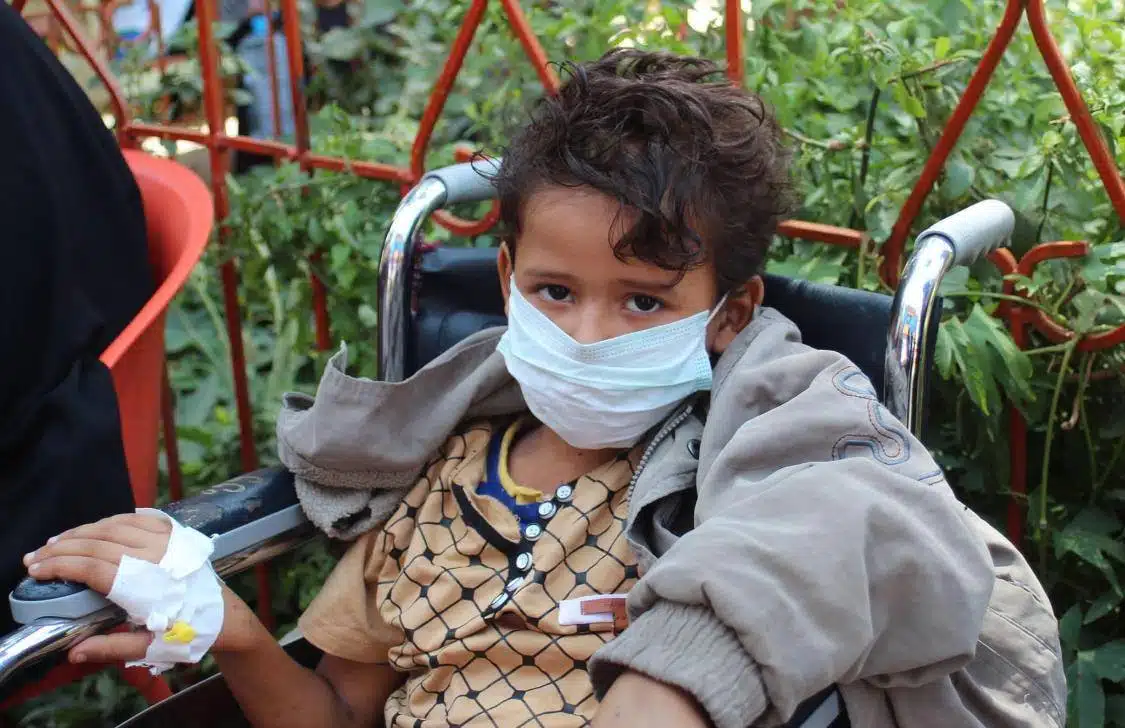
Healthcare workers sometimes have to go without salaries and operational costs in some facilities due to limited finances. The situation puts vulnerable populations like children at higher risk of dying from
malnutrition and diseases. In September 2020, the UN Situation reported the closure of health facilities caring for 1.8 million people. Reduced food aid for 8 million people during the famine made the conditions worse for the population.
According to
USAID, there are 19.7 million people without access to basic health services, and less than 50 percent of health facilities are functioning. War wounds, famine, cholera, COVID-19, and torrential rains have all combined to impact the population and a fragile healthcare system. Moreover, Yemen’s fuel crisis has led to an increase in the cost of essential items, healthcare, and transport.